Baking powder is one of the most important ingredients in baking, yet it’s often one of the least understood.
From creating the rise in cakes to controlling the texture of cookies and the holes in crumpets, the function of baking powder in baking goes far beyond simply making products rise. The type of baking powder used, how quickly it releases gas and how it interacts with different ingredients in recipes can all influence the quality of the finished bake.
Whether you’re an experienced baker or simply curious about the chemistry behind baking, this guide explains the fundamentals of baking powder and answers some of the most common questions:
- What is Baking Powder?
- How Does Baking Powder Work?
- Single-Acting vs Double-Acting Baking Powder
- What Can Baking Powder Be Used For?
- What Does Baking Powder Do in Baking?
- Baking Powder vs Baking Soda
- Baking Powder vs Yeast
- What Happens If You Use Too Much Baking Powder?
- Does Baking Powder Expire?
- Can Baking Powder Be Used in Gluten-Free Baking?
- Additional Functions of Baking Powder
- And in Conclusion, What Does Baking Powder Do?
What is Baking Powder?
Baking powder is a chemical leavening agent that releases the gas responsible for helping baked goods rise. It is essential for producing the light texture, volume and crumb structure expected in cakes, muffins, pancakes and many other baked products.
It can increase the height of a pancake, create the peak of a muffin, perfect the texture of a scone and add volume to a cake. It’s even the reason there are holes in your crumpets!
Baking powder provides a reliable source of carbon dioxide gas, allowing bakers to create products with the desired volume and a light, airy texture.
The standard baking powder ingredients are a bicarbonate (such as sodium or ammonium), one or more acids, and a starch or filler. Each ingredient plays an important role in the performance of the baking powder.
Not all baking powders are the same. Different formulations release gas at different rates, making them suitable for different bakery products and manufacturing processes.
How Does Baking Powder Work?
In baked goods, baking powder produces the gas carbon dioxide through a chemical reaction between sodium bicarbonate and the acidic components in the formulation. Moisture and heat activate and accelerate the reaction during baking. The resulting gas bubbles are held within the batter or dough, and their movement causes baked goods to expand and rise during baking.
The exact rate and timing of gas release depends on the acids used within the baking powder formulation. Some baking powders release gas quickly, while others are designed to release gas at different stages of the baking process. This makes different baking powders suitable for specific bakery applications and processing requirements.
The way baking powder releases gas is commonly described as either single-acting or double-acting, referring to when the reaction takes place during mixing and baking.
Single-Acting vs Double-Acting Baking Powder
These terms relate to the timing of gas release during the baking process and how the baking powder responds to moisture and heat, influencing product volume, shape and texture.
In Europe, you will most commonly find single-acting baking powders. In the US, double-acting baking powders are more common.
Single-acting Baking Powder
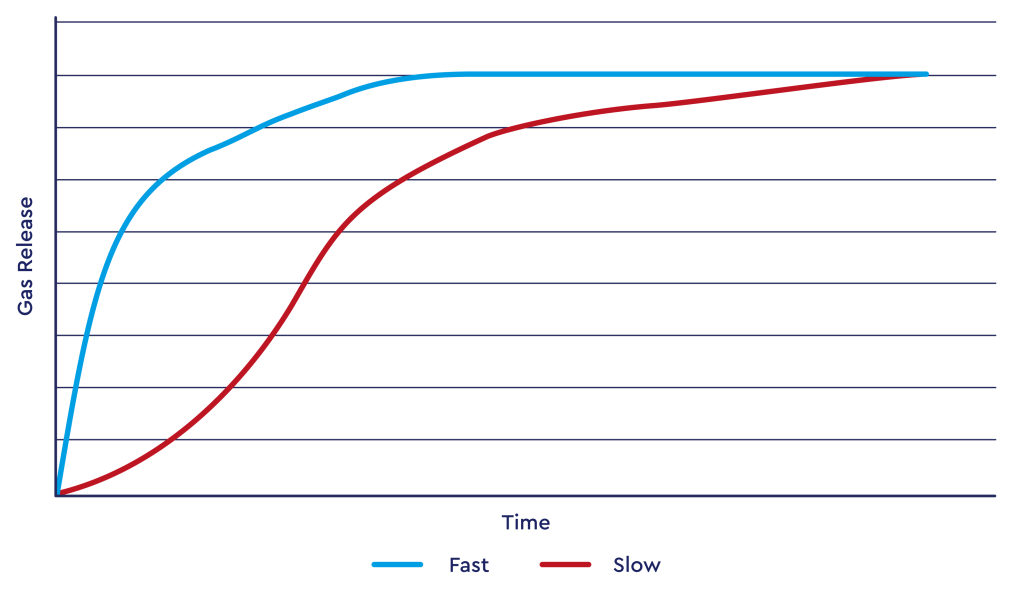
Single-acting baking powder releases its gas in one continuous flow when it comes into contact with liquid. Batters and doughs made with single-acting baking powder can have be fast or slow reactions, which bring different properties to the bake.
Double-acting Baking Powder
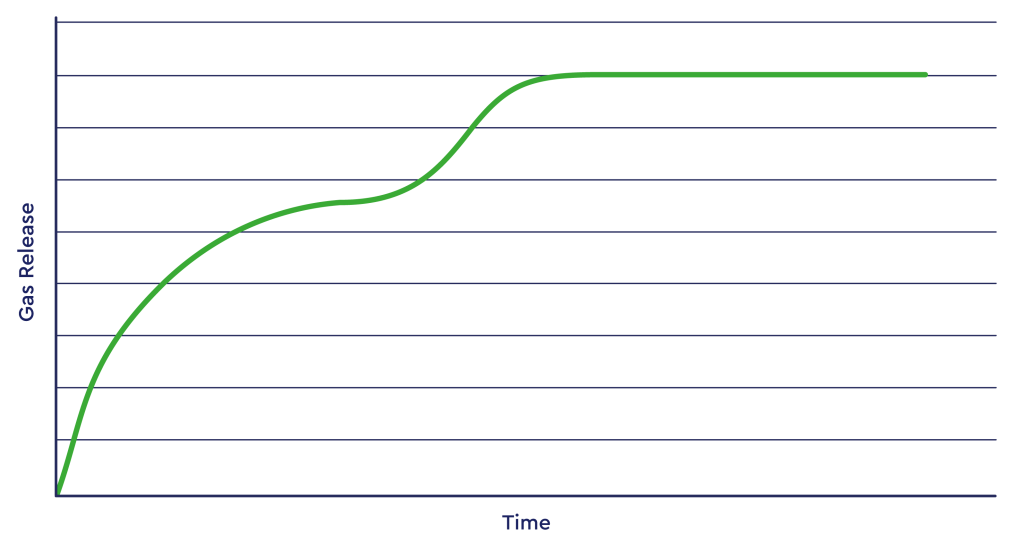
Double-acting baking powder releases gas in two stages: first reacting with the liquids during mixing and then again when heated in the oven. This provides greater control over the timing of gas release, supporting applications that require additional oven rise, such as giving muffins a pronounced peaked top or creating oven spring in flatbreads.
What Can Baking Powder Be Used For?
Baking powder is used in a wide range of baked goods and food products where a light texture and reliable rise are required.
Common applications include:
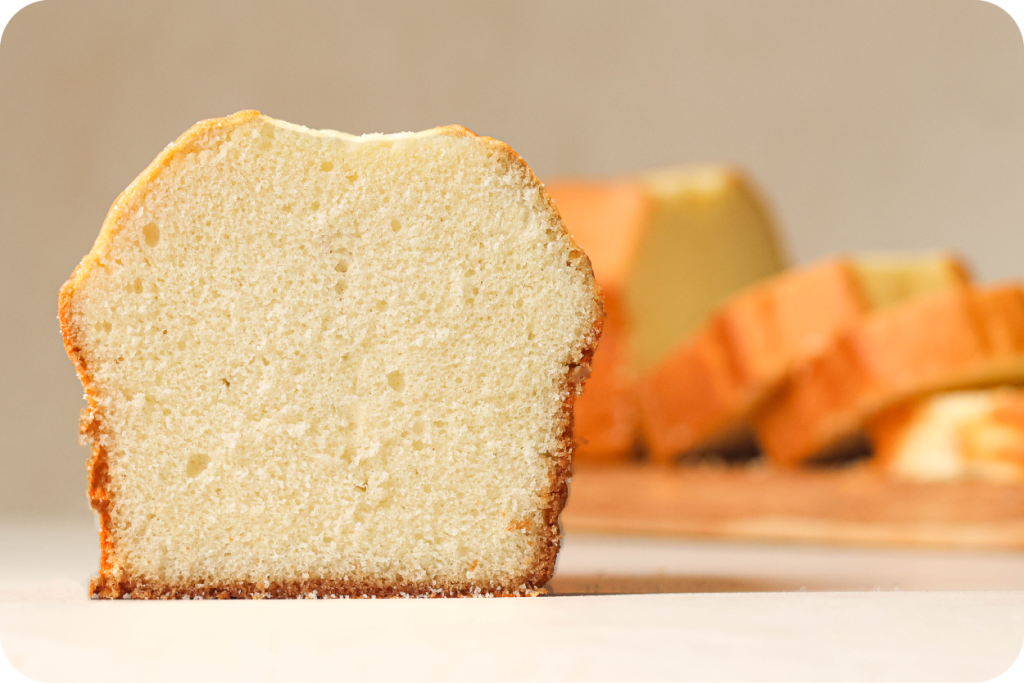
Cake & Cupcakes
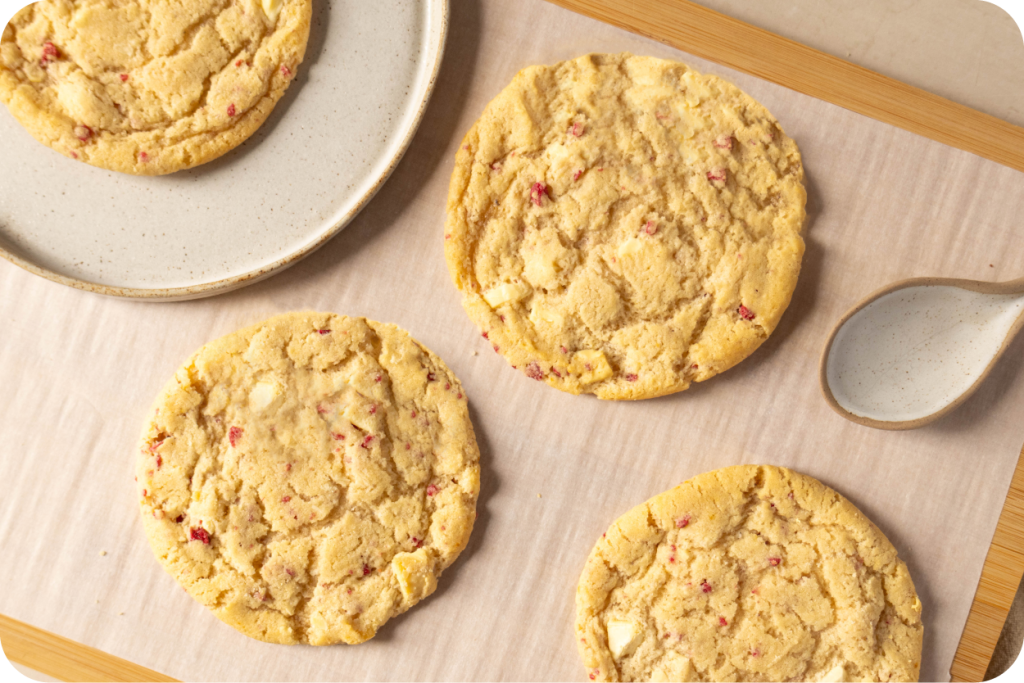
Cookies
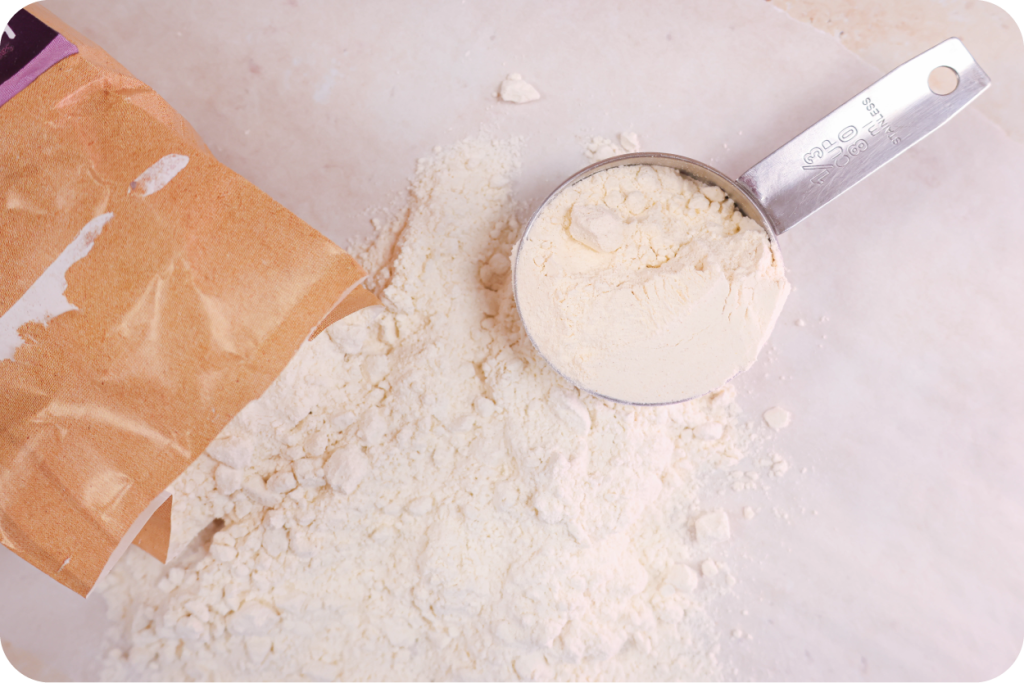
Premixes
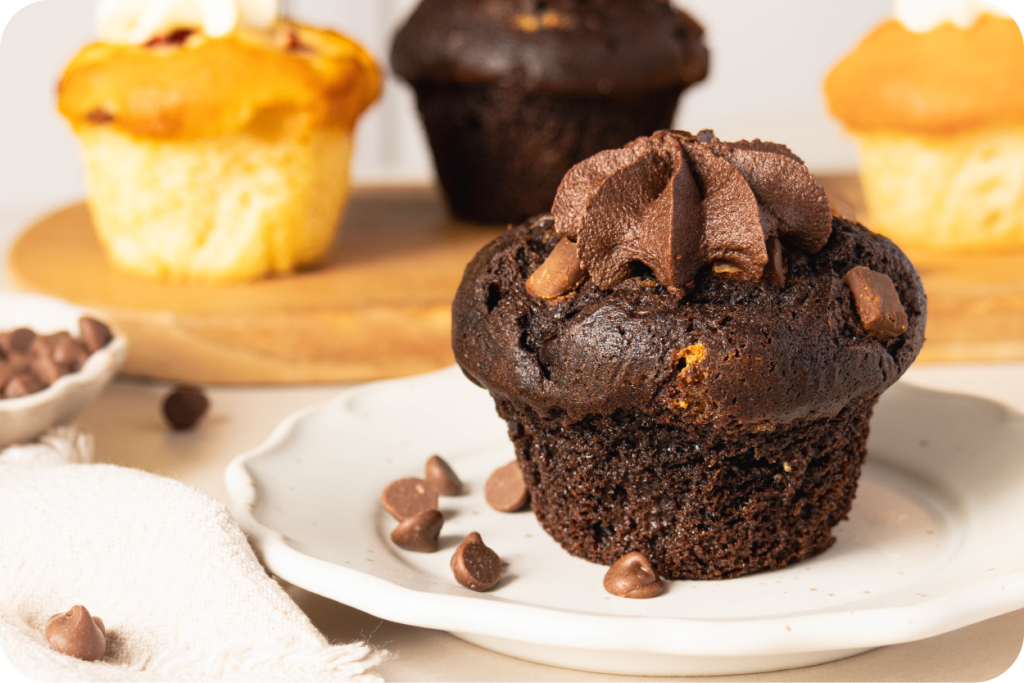
Muffins
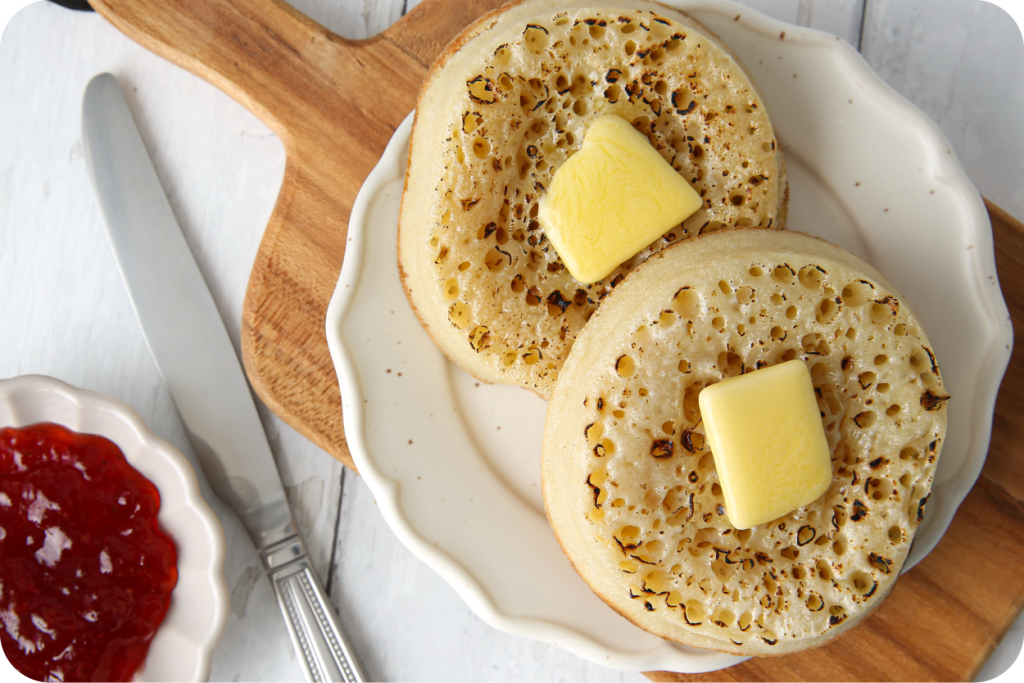
Crumpets
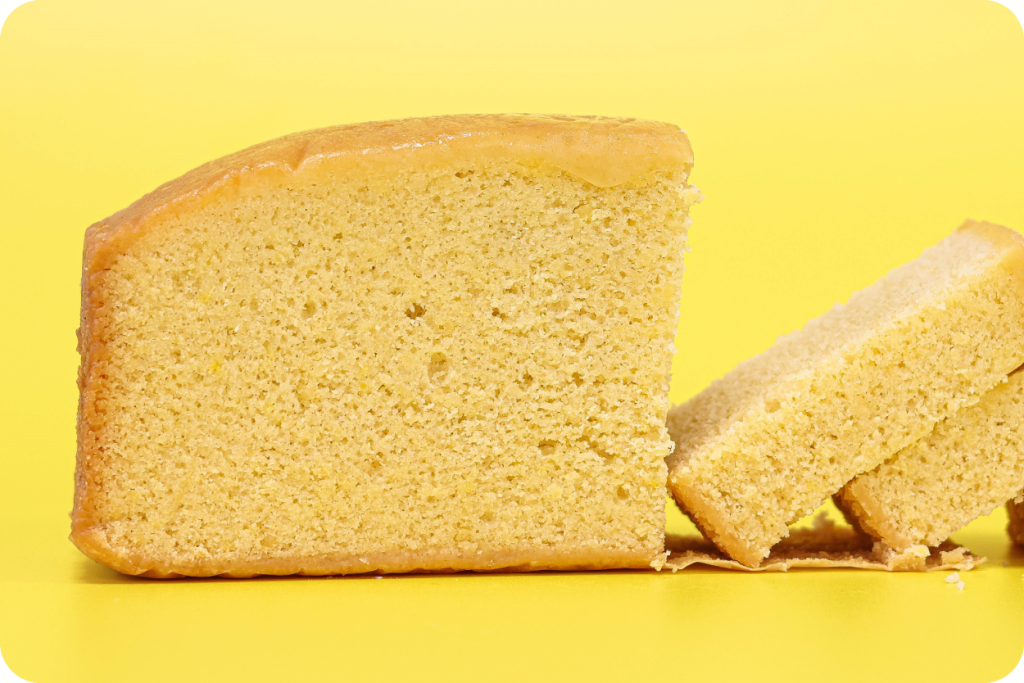
Gluten-Free Bakery Products

Pancakes
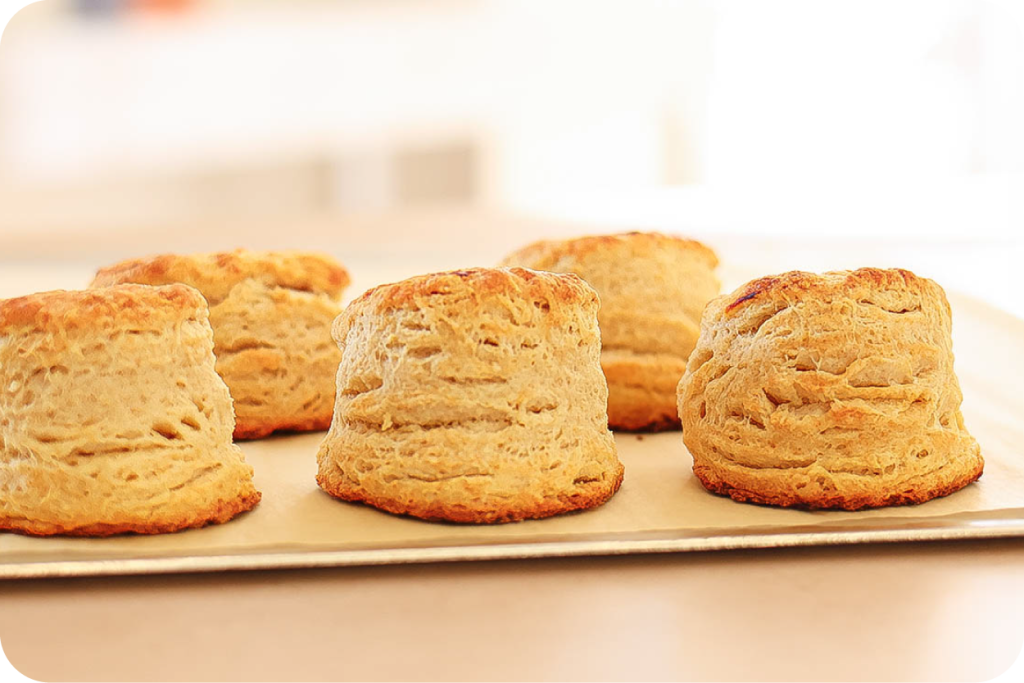
American Biscuits
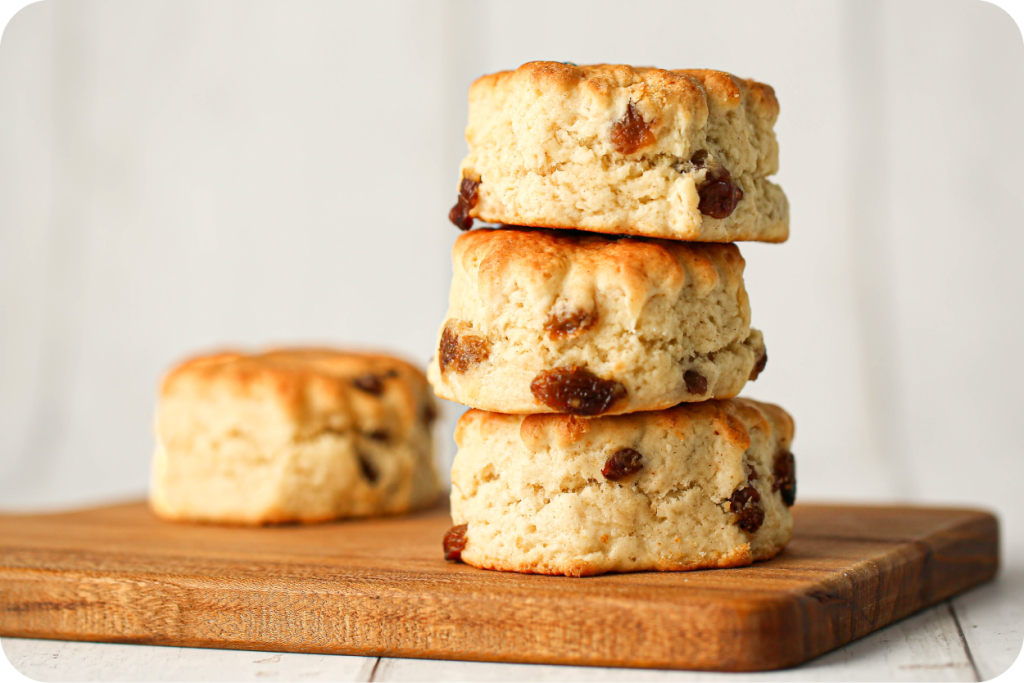
Scones
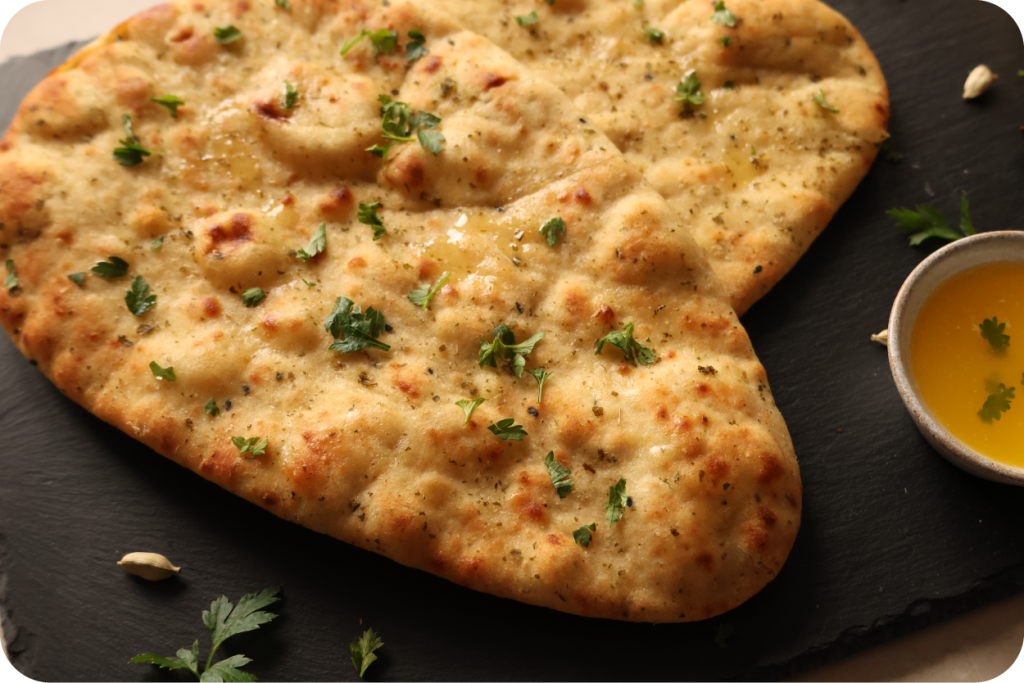
Flatbreads
Different bakery applications often require tailored leavening systems to achieve the desired volume, texture, crumb structure and mouthfeel.
What Does Baking Powder Do in Baking?
Although the primary function of baking powder in baking is to create aeration and volume, the timing and amount of gas released also influence texture, spread, crumb structure and many other characteristics depending on the application
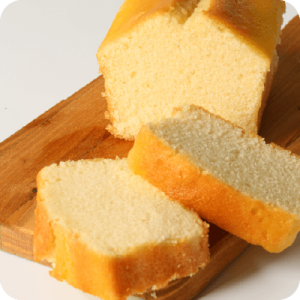
What does baking powder do in a cake?
Using baking powder in cake releases the gas bubbles needed for the batter to rise during baking. This results in a lighter texture, improved volume and a softer crumb structure. The correct baking powder helps ensure cakes rise evenly with a consistent appearance and mouthfeel.
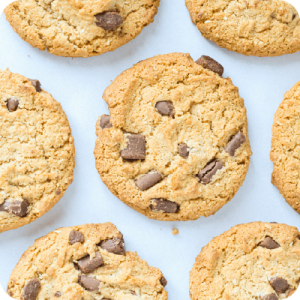
What does baking powder do in cookies?
In cookies, baking powder contributes to spread, thickness and texture by releasing gas throughout baking. Depending on the recipe, it can help create a softer, lighter cookie with a more cake-like structure compared to recipes that rely solely on baking soda.
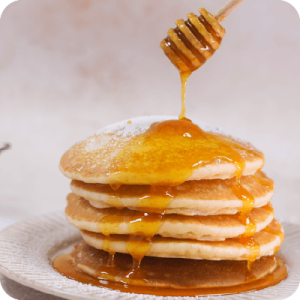
What does baking powder do in pancakes?
Baking powder is responsible for creating the fluffy, airy texture associated with pancakes. As the batter cooks, the released gas expands to forms small air pockets, helping pancakes rise and develop a light texture.
What does baking powder do in crumpets?
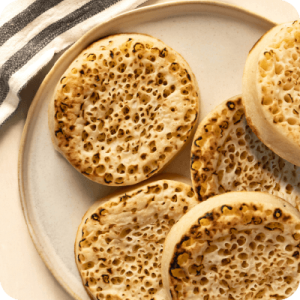
In crumpets, baking powder helps create the light, open texture and distinctive holes on the surface. Bubbles rise through the batter slowly and set in place, producing the characteristic porous structure, while also contributing to a soft, springy crumb.
Baking Powder vs Baking Soda
Although they are often confused, baking powder and baking soda are not the same. The key difference between baking soda and baking powder is how they generate carbon dioxide gas to provide leavening and make a cake rise.
Baking soda is pure sodium bicarbonate. It can release a limited amount of carbon dioxide through thermal decomposition when exposed to heat. Adding an acid ingredient to create a baking powder is required to promote further controlled carbon dioxide production.
Baking powder contains both sodium bicarbonate and acidic components, so it can generate more carbon dioxide at different stages in the baking process without relying on an additional acidic ingredient in the recipe.
The choice between baking powder and baking soda depends on the other ingredients in the recipe, desired flavour profile and the characteristics required in the finished product.
Baking powder and baking soda are not direct substitutes. Replacing one with the other requires recipe adjustments to maintain the correct acidity, flavour and leavening performance. Understanding these differences helps ensure the correct leavening system is selected for both the recipe and the desired finished product.
Baking Powder vs Yeast
Both baking powder and yeast are leavening agents, but they work in very different ways.
A baking powder’s reaction is controlled by moisture and heat and does not require fermentation, so it is better suited to faster baking processes. The baking powder creates a chemical reaction that produces carbon dioxide. This powder does not impart any flavour, making it the ideal leavening agent for sweet baked goods such as cakes and muffins.
Yeast is a living microorganism that ferments sugars over time, producing carbon dioxide and flavour. This slower process makes yeast the preferred choice for bread, pizza dough and other fermented bakery products. Yeast develops savoury flavours, so is not typically used in cakes and cookies, but can enhance the flavour of savoury goods.
What Happens If You Use Too Much Baking Powder?
Using too much baking powder can negatively affect both the appearance and flavour of baked goods.
Excess baking powder may cause:
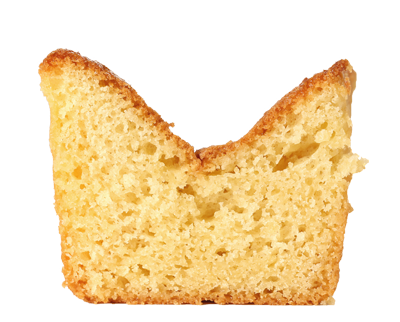
- Rapid rising followed by collapse – Too much gas is produced before the batter or dough has fully set. As the structure cannot support the rapid expansion, the bake may collapse.
- Coarse or uneven crumb structure – Excess gas creates larger, irregular air pockets, resulting in an uneven crumb rather than a fine, consistent texture.
- Cracking on the surface – A rapid rise can cause the outer surface to set before the inside has finished expanding, leading to cracks as the product continues to rise in the oven.
- Dry texture – An excessive amount of gas can over-expand the structure of the bake, creating a more open crumb that loses moisture more readily.
- Bitter or metallic taste – Too much baking powder can mean it remains unreacted, leaving behind an unpleasant bitter or metallic aftertaste.
Too much baking powder
Right amount of baking powder
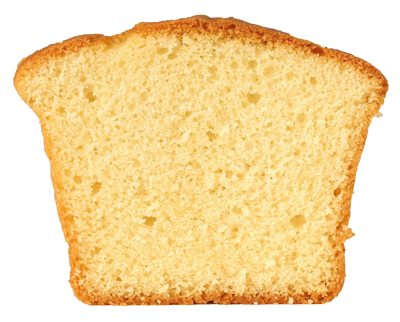
Using the correct baking powder level is essential to achieving optimal volume, texture and eating quality. Dosage rates vary, but below is a starting point guide for common applications:
| Applications | Dosage Rate (%) |
|---|---|
| Cake | 1 |
| Cookies | 1.5-2 |
| Flatbreads (non-yeasted) | 2 |
| Pancakes | 1.5-2 |
| Scones | 2.5-3 |
Does Baking Powder Expire?
Yes. Baking powder gradually loses its effectiveness over time, particularly if it is exposed to moisture. This includes water naturally present in the atmosphere. Small amounts of the leavening reaction can occur before baking, reducing the amount of gas produced when the product is used.
Baking powders contain a filler, such as corn starch or wheat flour, to stabilise the product and prevent early reaction; however, it still needs to be stored in the correct conditions for maximum shelf life, which includes keeping it in tightly sealed containers, in a cool, dry condition.
Can Baking Powder Be Used in Gluten-Free Baking?
The active ingredients in baking powder are inherently gluten-free; however, wheat flour is typically used in the UK as a stabilising agent or filler due to its ability to prevent moisture transfer and ensure shelf-life of the baking powder.
In Europe and in the US, cornstarch is often used as a filler making it naturally gluten-free. These baking powders however, must be produced in a dedicated gluten-free facility to control any gluten cross-contamination. Always check the ingredient declaration or certification.
Additional Functions of Baking Powder
While the primary function of baking powder in baking is to create aeration and volume, modern baking powders can also be formulated to deliver additional benefits.
Depending on the ingredients used, they can help reduce sodium, increase nutritional potassium, remove phosphates or aluminium from formulations, and enhance natural colour or flavour. These tailored leavening systems allow manufacturers to meet changing consumer demands while maintaining product quality and processing performance.
As a result, baking powder is no longer simply a raising agent. It has become an important ingredient for improving product quality, supporting clean label initiatives and solving manufacturing challenges.
In Conclusion – What does Baking Powder do?
The function of baking powder in baking extends well beyond simply making products rise. The gas release influences volume, crumb structure, texture, spread and overall product quality, making baking powder one of the most important ingredients in many bakery applications.
Understanding how different baking powders perform allows bakers to select the most suitable leavening system for each recipe, whether the goal is improving consistency, optimising processing or achieving a specific finished product. The right baking powder doesn’t just make products rise, it helps define the quality of the finished bake.
Modern baking powders can also deliver additional benefits beyond leavening, including sodium reduction, phosphate-free formulations, aluminium-free solutions and enhanced natural colour development.
At Kudos Blends, our team of chemists and bakers combines scientific expertise with practical baking knowledge to develop leavening solutions for today’s bakery challenges. Whether you’re looking to improve product quality, optimise a recipe or solve a specific bakery manufacturing challenge, we’re here to help.