Across global retail markets, bakery products are becoming brighter, bolder, and more naturally colourful.
Yet behind the scenes, manufacturers face a host of challenges to meet demands – high ingredient costs, organoleptic issues, and the constant battle to enhance stability and vibrancy without impacting other aspects of the finished product.
In this article, we’ll look at why natural colours are gaining so much attention, their benefits and limitations in the bakery setting, and how the right baking powder can be the key to achieving vibrant and stable natural colours in baked goods.
The Current State of Natural Food Colouring
Across markets around the world, manufacturers are moving from synthetic colours to naturally derived alternatives. This shift is driven primarily by consumer demand for clean-label products, alongside growing regulatory and retailer pressure on certain artificial colourings.
In the EU and the UK, specific synthetic colours require warning statements, while in other regions manufacturers face evolving compliance needs. Although few colours are outright banned, perception has become just as influential as legislation, with many brands proactively reformulating ahead of regulatory pressure.
Advances in process technologies have significantly improved the performance of natural colours. However, bakery applications remain particularly challenging due to inherent process and recipe factors, such as heat and pH. As a result, achieving vibrant, stable shades in baked goods still presents technical and commercial challenges for manufacturers.
Why Natural Colours Behave Differently in Bakery Systems
Unlike synthetic dyes, which are engineered for high stability, natural pigments are chemically more reactive and therefore more sensitive to environmental conditions. Factors such as pH, temperature, oxygen exposure and light significantly influence shade intensity and stability, depending on the pigment source.
In bakery applications, these factors are not optional variables – they are inherent to the process. As a result, natural colour performance must be managed within conditions that cannot be eliminated, only optimised.
pH

Light
Oxygen

Heat
Common Colour Issues in Bakery Reformulation
Achieving bright, vibrant shades with natural pigments often requires higher inclusion levels than synthetic alternatives. This can increase formulation costs and put pressure on commercial viability, particularly in price-sensitive bakery categories.
Higher pigment usage can also influence product structure and sensory performance. Depending on the source, elevated inclusion rates may affect batter viscosity, crumb density or flavour profile, requiring further formulation adjustments.
To enhance colour expression, some manufacturers increase batter or dough acidity using organic acids such as citric acid. While this may intensify certain shades, it can disrupt the balance of the leavening system. Additional free acid can trigger premature reactions within baking powders, reducing bench tolerance, limiting oven spring and ultimately compromising volume and crumb structure.
Together, these technical and commercial pressures can make natural colour reformulation a complex process. However, one of the most overlooked contributors to these challenges is the leavening system itself.
The Hidden Impact of Baking Powders on Natural Colour Performance
Natural colour stability depends not only on pigment selection but also on the surrounding formulation, particularly the leavening system. The pH profile created by a baking powder plays a critical role in determining final shade, vibrancy and stability.
While many traditional baking powders are designed to optimise gas release and structure, the resulting batter pH may not align with the preferred stability range of certain natural pigments. Anthocyanins (from sources such as purple sweet potato, black carrot and radish) and betanin (beetroot red) are especially pH-sensitive, shifting in tone or losing intensity altogether if the right conditions are not met.
For manufacturers seeking to replace synthetic reds and purples – particularly in products such as red velvet cakes – aligning leavening chemistry with pigment behaviour becomes essential to achieving consistent colour performance.
How Our Baking Powders Support Natural Colour Enhancement
ZEUS™ ColourMax combines phosphate-free leavening chemistry with targeted pH optimisation to support natural colour stability in bakery systems.
Rather than relying on external acids to intensify pigment expression, ZEUS™ integrates pH control directly into its design. This creates a more favourable environment for pH-sensitive natural pigments, enabling brighter, more consistent shade development while maintaining controlled gas release and reliable crumb structure.
By enhancing the shade and vibrancy of natural pigments, ZEUS™ can reduce the level required to achieve the desired visual impact. Lower dosage rates not only improve recipe economics, but also reduce supply-chain exposure to high-cost natural pigments. Reduced dosage also minimises the risk of off-notes, earthy flavours or textural changes sometimes associated with higher pigment inclusion.
By aligning leavening chemistry with pigment behaviour, ZEUS™ provides a technically robust and commercially viable solution to one of bakery’s most persistent natural colour challenges, supporting clean-label objectives without compromising performance.
Colour Improvement Showcase
Natural Food Colours
Standard Baking Powder
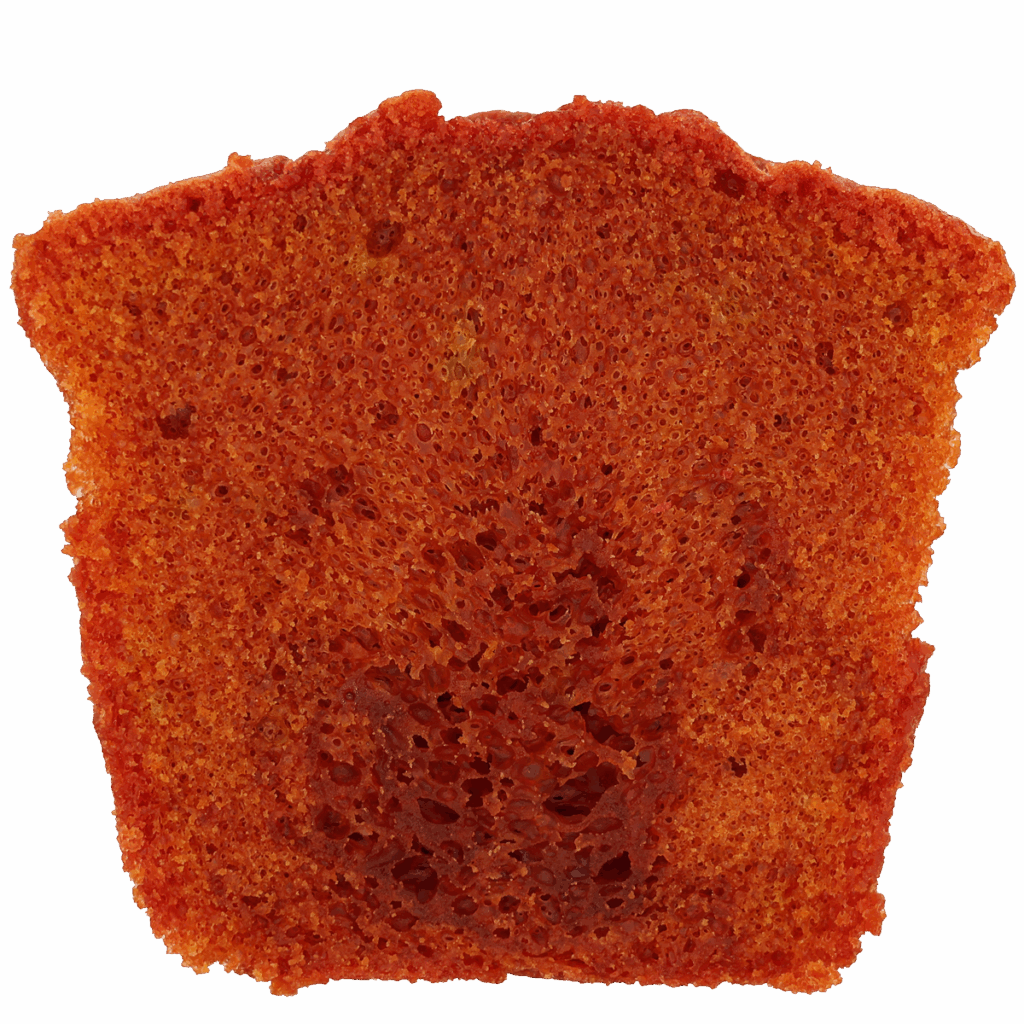
Beetroot 0.3% – pH 7.87
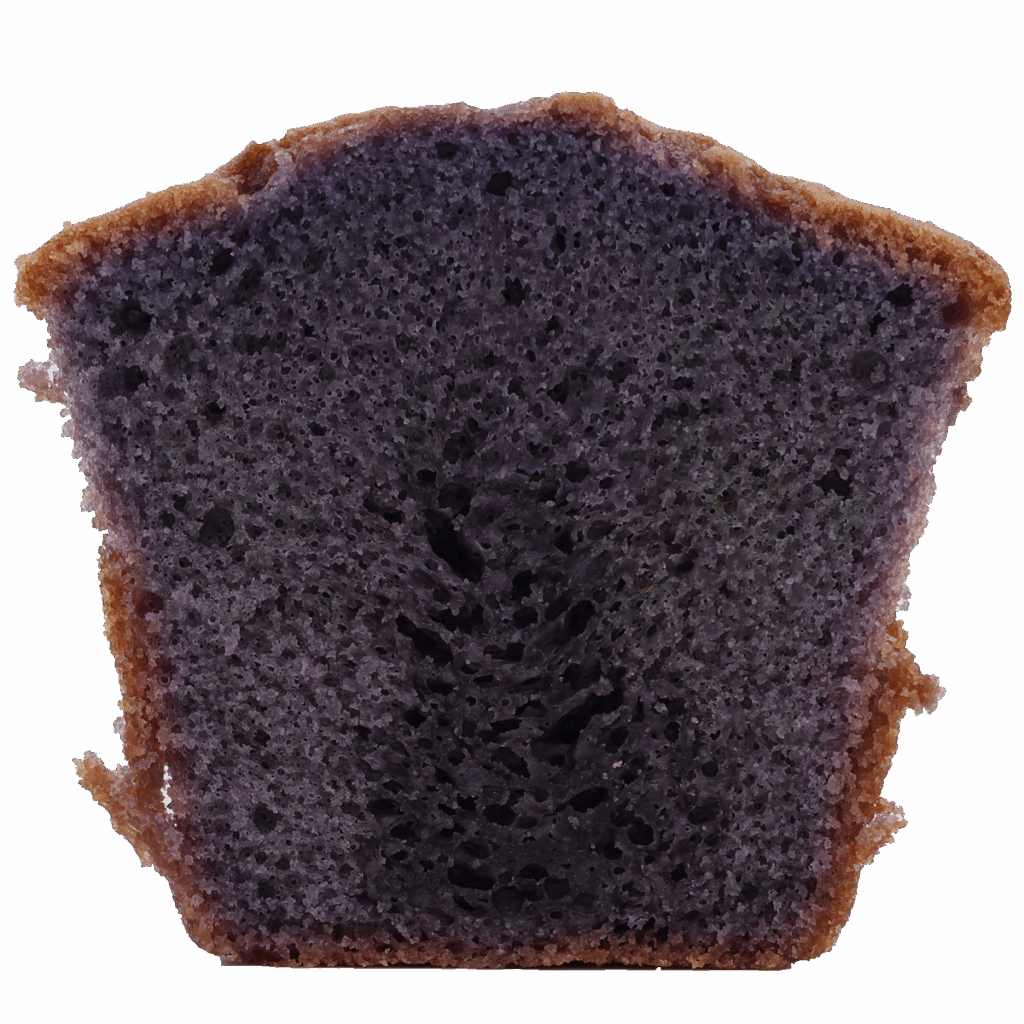
Purple Sweet Potato 0.6% – pH 7.83
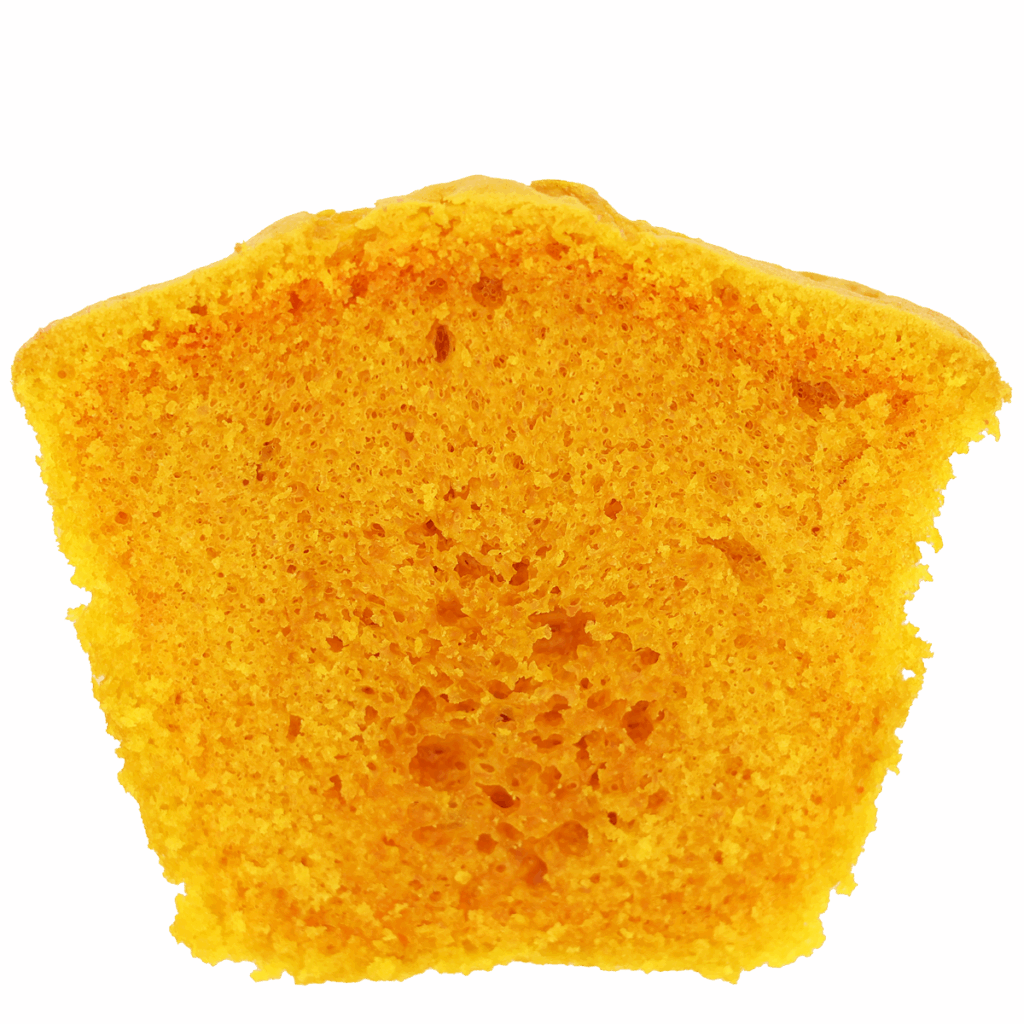
Tumeric 0.3% – pH 8.21
ZEUS™ ColourMax Baking Powder
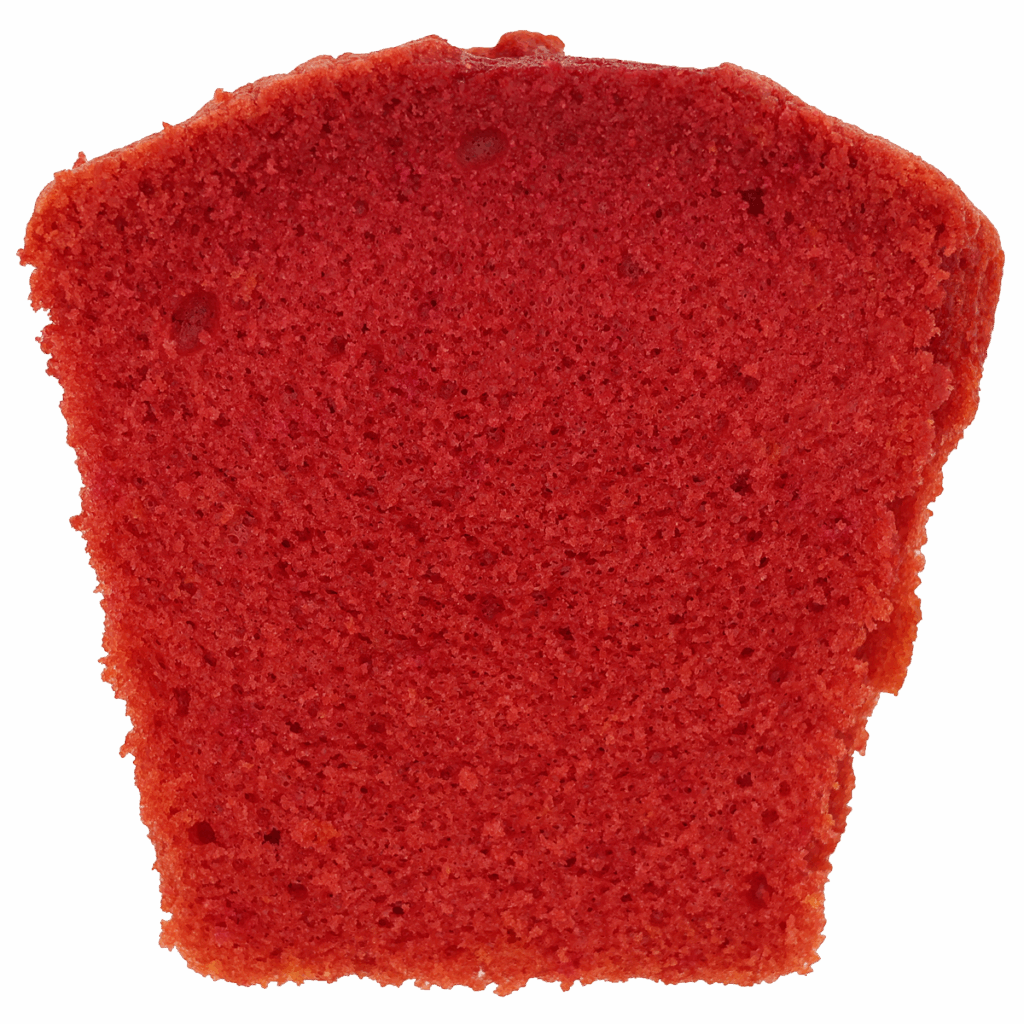
Beetroot 0.3% – pH 6.42
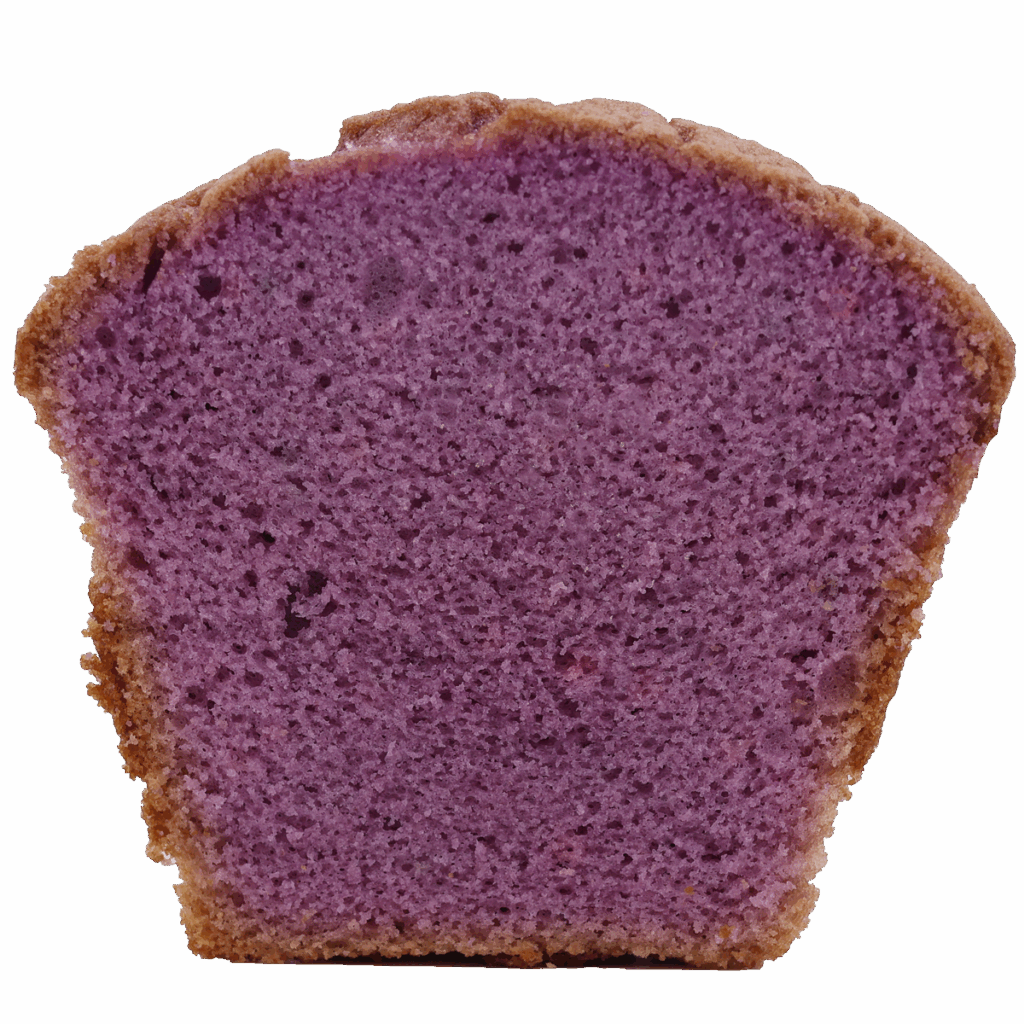
Purple Sweet Potato 0.6% – pH 6.08

Tumeric 0.3% – pH 6.53
Colouring Foods
Standard Baking Powder
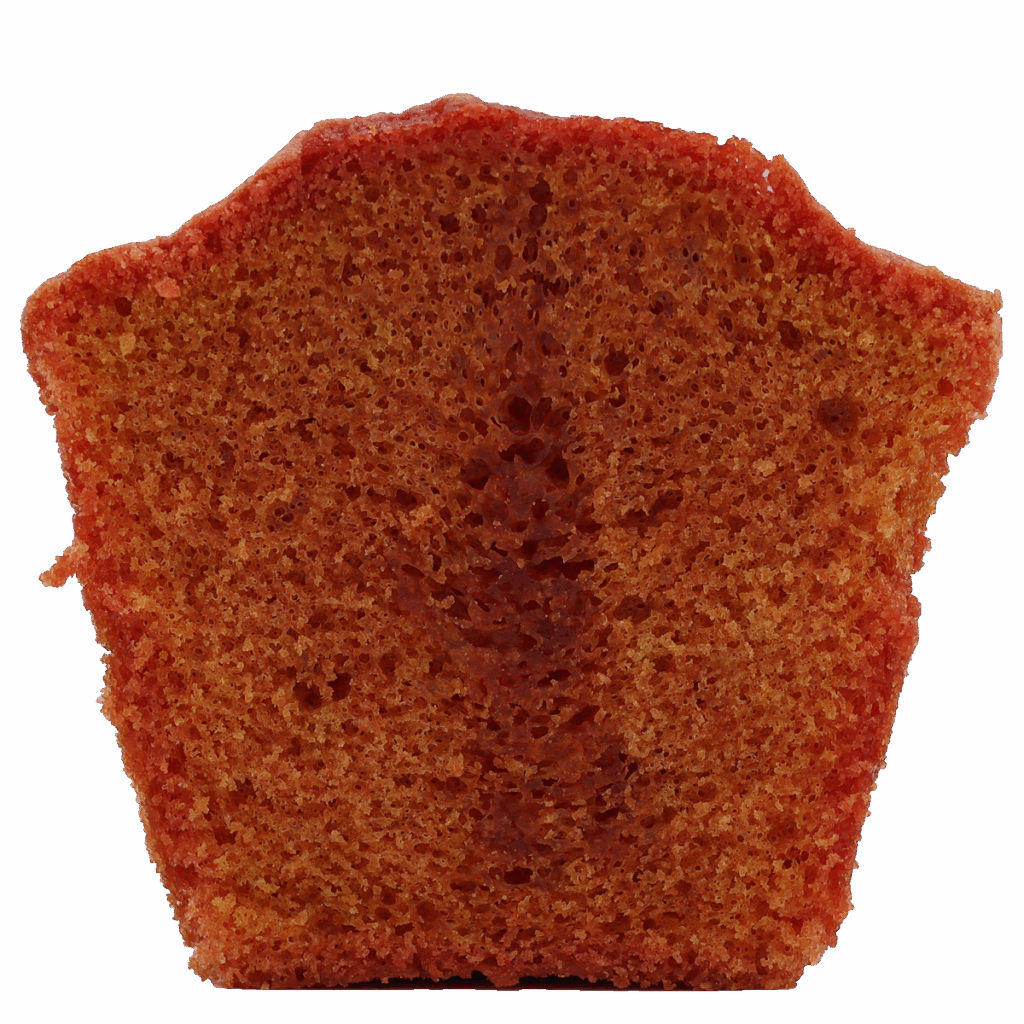
Beetroot 3.75% – pH 7.64
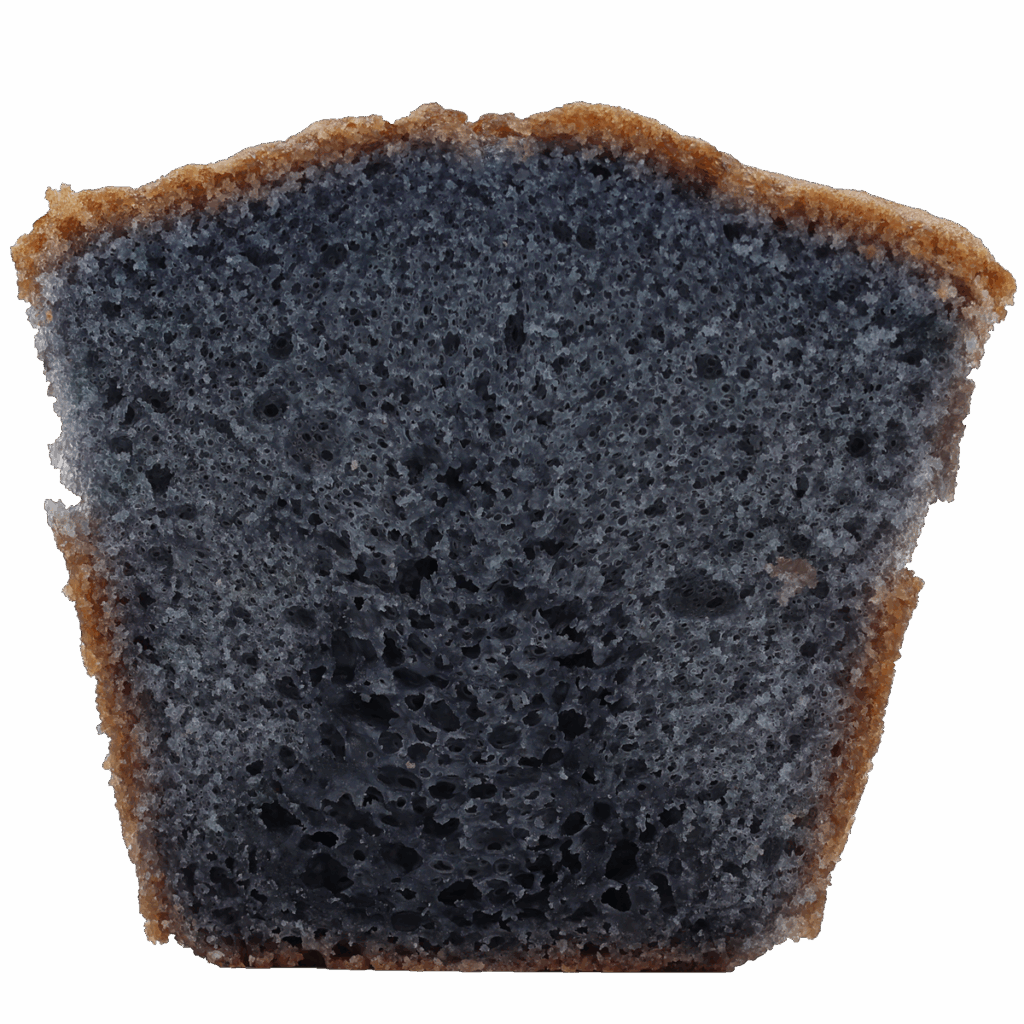
Black Carrot 0.6% – pH 7.73
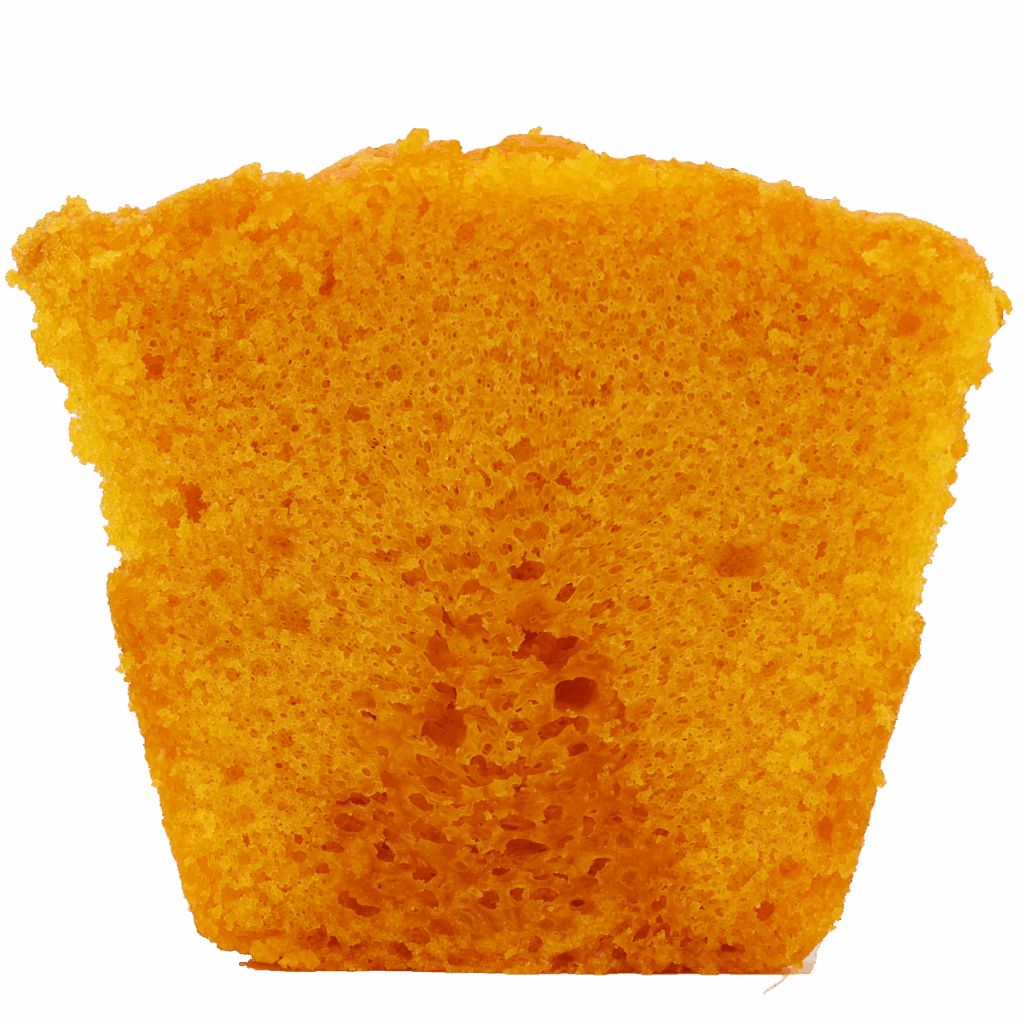
Paprika 0.6% – pH 8.32
ZEUS™ ColourMax Baking Powder
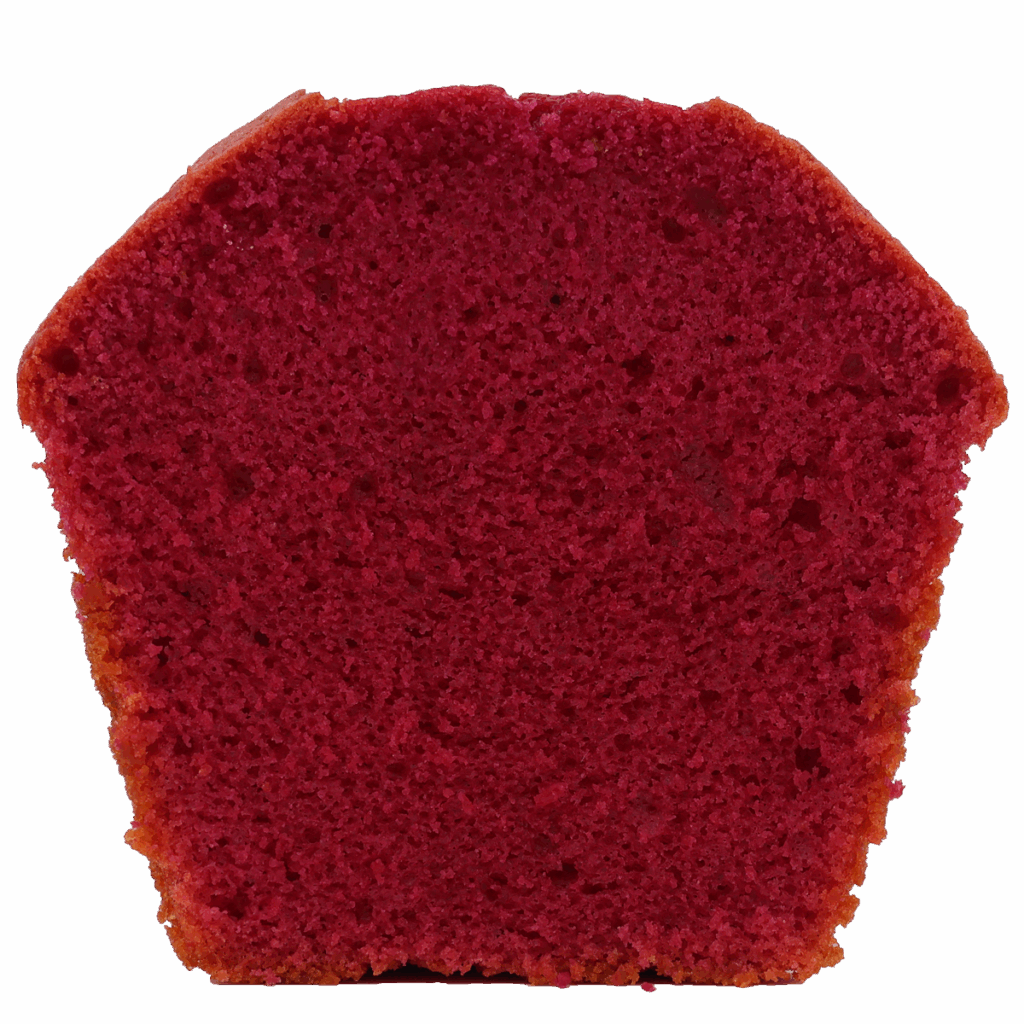
Beetroot 3.75% – pH 6.25
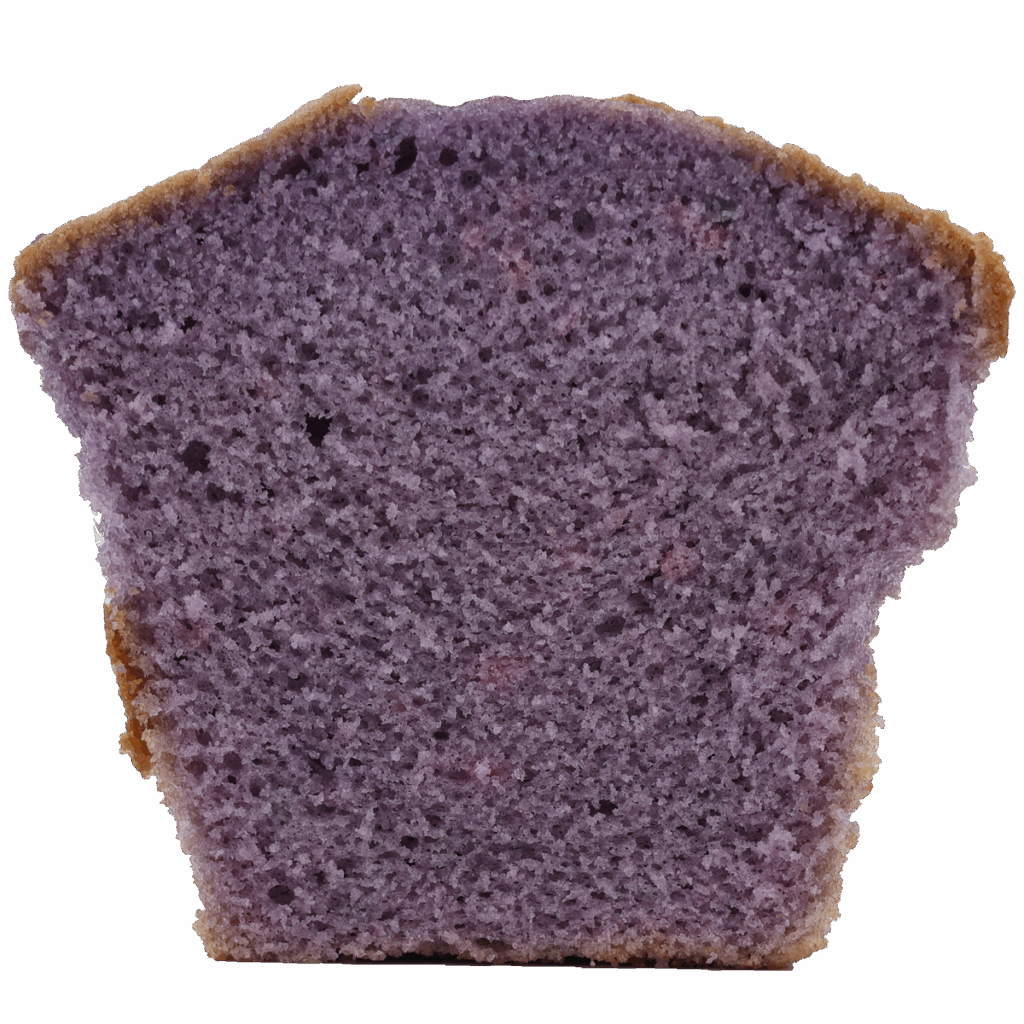
Black Carrot 0.6% – pH 6.14
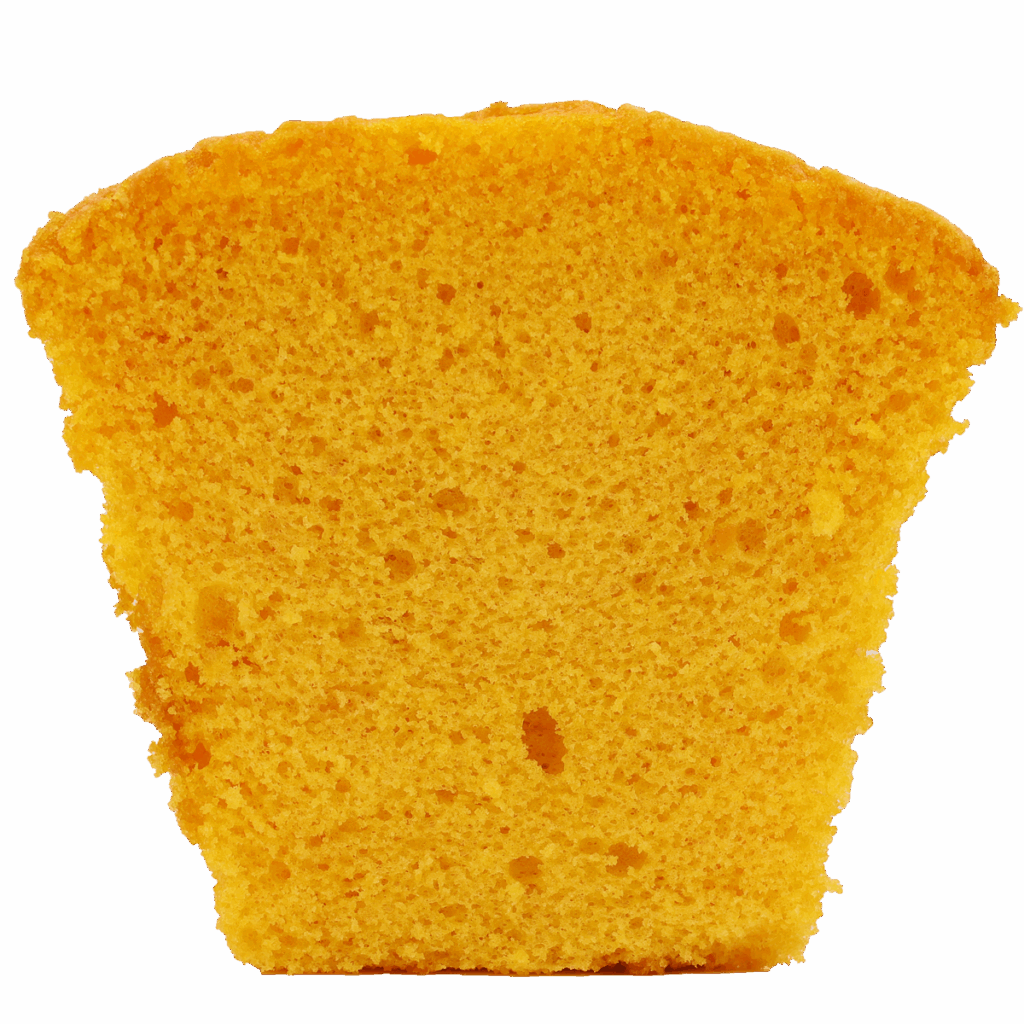
Paprika 0.6% – pH 6.81
Conclusion: Integrating ZEUS™ ColourMax into Natural Colour Formulations
As the bakery industry continues its shift away from synthetic colours in response to clean-label demands, manufacturers are increasingly challenged by the limitations of natural pigments. Traditional baking powders can further exacerbate these issues by creating pH conditions that work against colour stability, particularly for red, pink, and purple shades derived from plant-based sources.
ZEUS™ ColourMax addresses these challenges by combining reliable leavening performance with controlled pH adjustment, supporting natural colour stability without the need for additional acids or formulation complexity. By strengthening structure while optimising the environment for colour development, ZEUS™ ColourMax enables manufacturers to achieve vibrant, consistent shades with confidence.
If you are struggling with colour consistency, structure, or cost when working with natural colours, speak to our technical team to explore how ZEUS™ ColourMax can support your formulations and future-proof your bakery products.