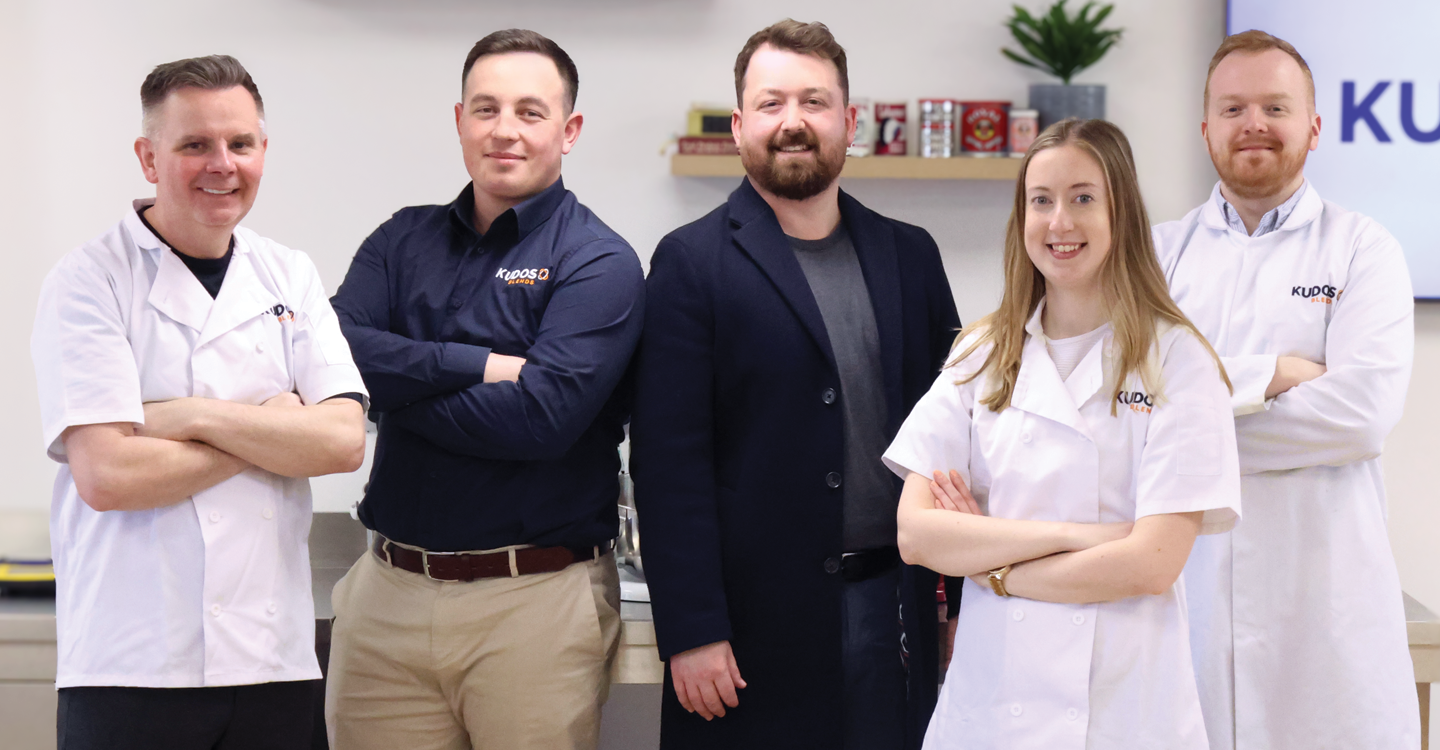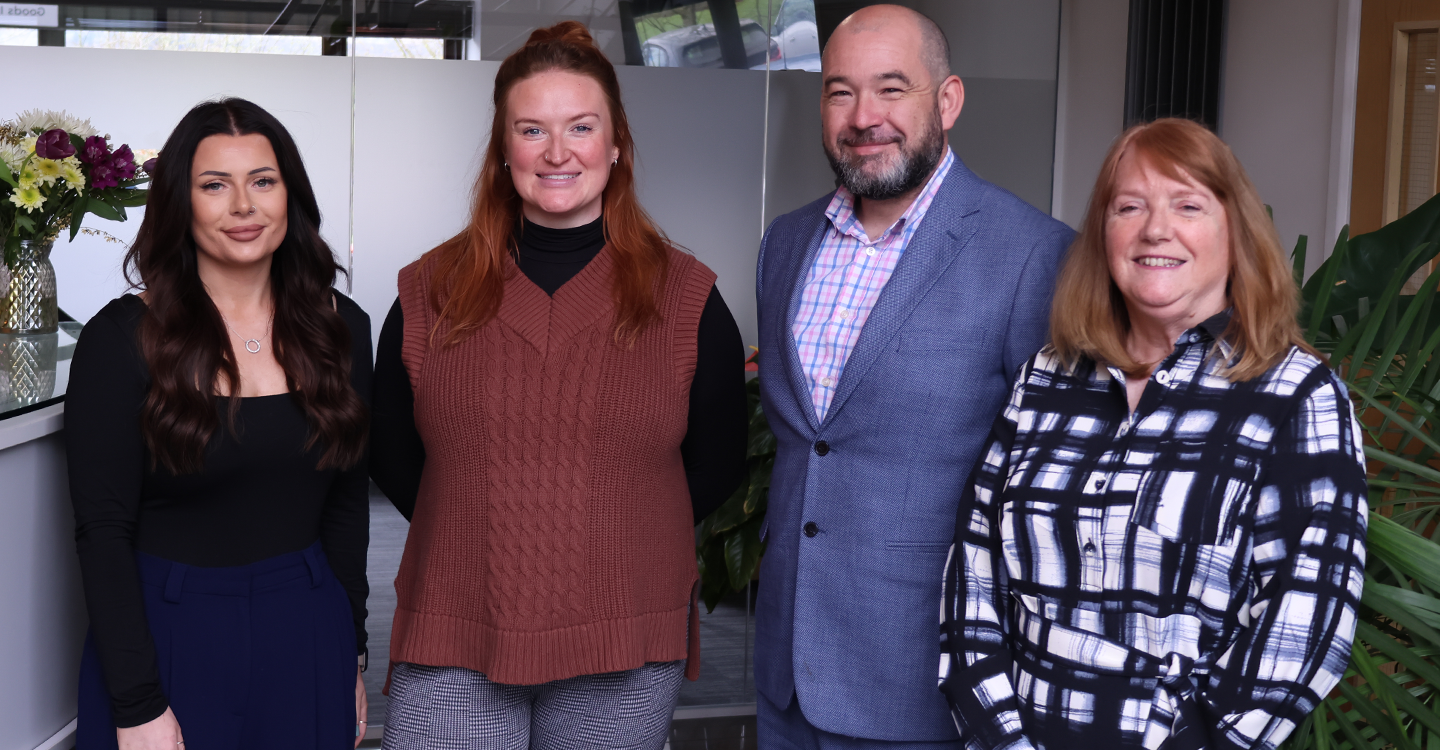
To mark International Day of Women and Girls in Science, we’re celebrating the talented women who help shape the work we do at Kudos Blends every day. Science is at the heart of our business, and we are proud to be a female-founded company with a strong representation of women across our technical teams.
We spoke to Laboratory Chemist Fatima Akhtar and Food Scientist Laura Alston, about their career journeys, life in the lab, and what this important day means to them – from the projects they’re proud of to the advice they would give to the next generation of women in science.
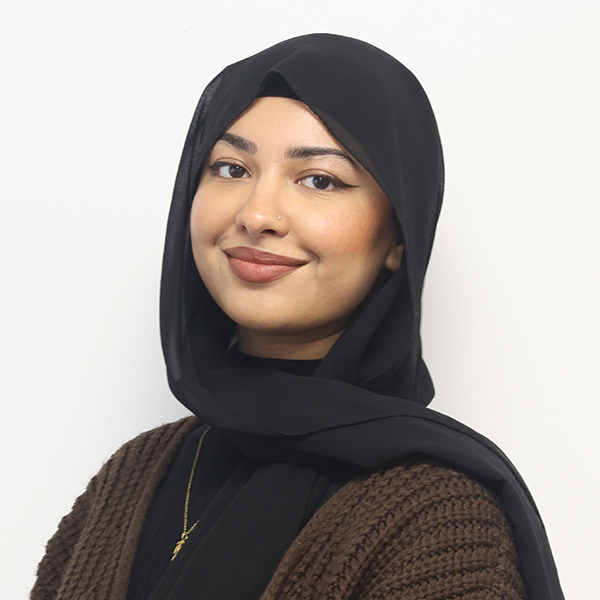
Fatima Akhtar – Laboratory Chemist
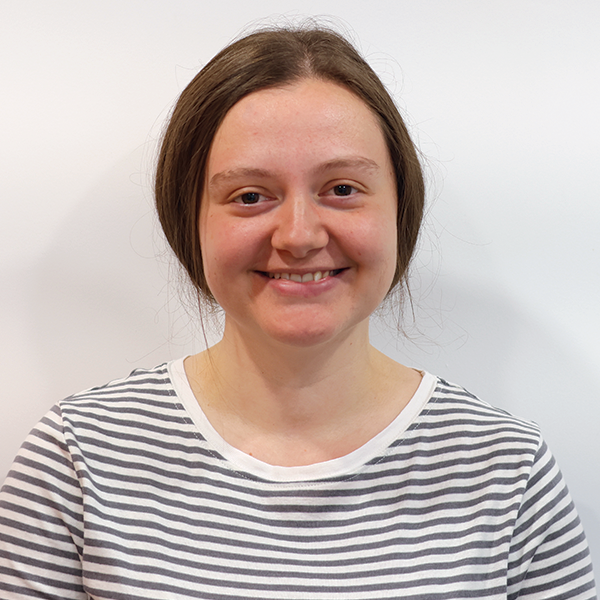
Laura Alston – Food Scientist
Your Career Path
What first sparked your interest in science?
Fatima: My interest in science began during a flame test experiment in secondary school. I remember being fascinated by how different metals produced such vivid and distinct colours in the flame. That moment made me curious about what was happening at a deeper level and sparked my interest in understanding natural materials and how they exist and interact in the world around us.
Laura: I was always curious as a child; I just wanted to know why for everything. That’s what I really liked about science at school – they told you why. I particularly liked biology. I’ve always liked being able to relate science to people.
What did you study, and what qualifications did you gain?
Fatima: I have a master’s degree in Chemistry with Forensic Science.
Laura: I went to university to study pharmacy, but I didn’t like the clinical side, so I transferred to a biochemistry course. I later returned to university to do a master’s degree in Food Science and Innovation.
Did you always imagine yourself working in food science or baking ingredients, or did that come later?
Fatima: I always imagined working in a chemistry lab, but not specifically in food science. Over time, I saw how easily chemistry applies to food and ingredients, so it made sense, and working in this field has been a great way to make my work relevant to everyday life. From the very beginning, Kudos Blends had offered that warm environment I wanted, so it was a no-brainer to join this company, and it has been a great three years so far.
Laura: I chose my master’s degree as I wanted something that would lead to job opportunities in the food industry. I liked baking at home and always enjoyed the science that had a human connection. Being honest, I thought I would be in a lab doing micro testing or something like that. This job is so much more than I imagined!
Life at Kudos Blends
What does a typical day in the lab look like for you?
Fatima: Usually, I’d be testing raw materials, either part of our current supply or new materials from potential suppliers. My work involves using a range of analytical techniques, including assays, neutralising value, rate of reaction, total carbon dioxide content, and water-insoluble content, among others. It’s a good variety of tests and keeps things interesting around here.
Laura: Something I really love is how it can really vary! A typical day in the lab involves calibrating equipment, quality control and raw material testing, and ongoing project work. My job involves testing samples in the lab, but also baking with the products as well. I never get bored because my job is so varied.
What do you enjoy most about your role?
Fatima: I enjoy the mix of lab work and desk work. I like being able to design and run my own experiments, then step back to analyse the data and write up my findings at my desk. That balance keeps things interesting and gives me the freedom to work in a way that feels both hands-on and methodical.
Laura: It’s really nice to be able to see the whole picture. Understanding the chemistry means I can understand what’s happening in bakes, and vice versa. I also really like it when you’ve been working on raw material approval, and then you see it being used in the factory, and I like seeing the things that include our products in supermarkets!
Is there a project or achievement you’re particularly proud of?
Fatima: I’m particularly proud of setting up the heavy metals testing schedule for the business. It’s a really important piece of work that helps us go the extra mile to ensure the safety and quality of our raw materials, in addition to the existing measures we already have in place. Being able to create this system and see it come to fruition has been really satisfying.
Laura: I feel very proud of being involved in the conception of ZEUS™ ColourMax. Seeing that process through to a saleable product is very satisfying.
How does collaboration shape the way your lab team works together?
Fatima: Collaboration is the core of the technical team. We distribute the workload so everyone contributes to the regular tasks whilst also having the opportunity to focus on our individual technical projects. It’s a system that helps us stay organised, support each other and make progress on both routine and innovative work.
Laura: We each have our own areas of expertise, but we all help each other out as well, and we all have to muck in with things like quality control, raw material testing, keeping the lab tidy and training. The team is a really nice mix of personalities – and thankfully no massive egos!
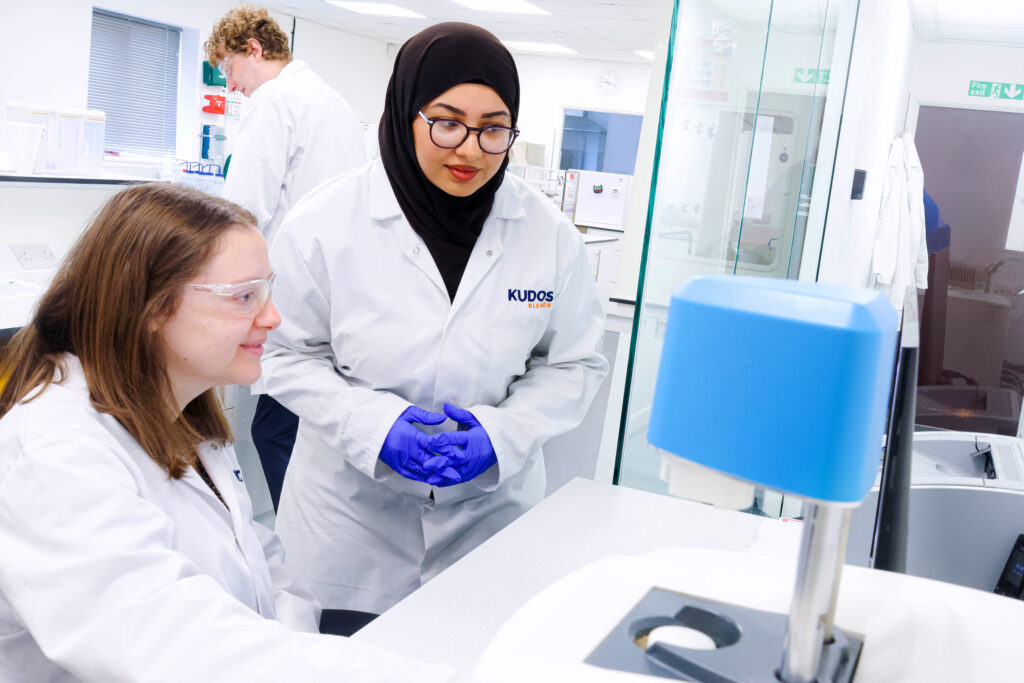
What does a supportive and inclusive working environment look like to you?
Fatima: To me, a supportive and inclusive working environment is one where team members share responsibilities and work together to meet deadlines, while also being included in broader discussions and collaborating with other departments. It’s about feeling valued, having a voice, and contributing to decisions that help move the business forward.
Laura: I really love talking to my colleagues. They’ve got loads of experience, but they also respect me, even though I’m a newer member of the team. They’re still interested in what I think, which is really nice.
Our values include honesty, consideration, creativity, enthusiasm and communication. Which of these resonates most with you, and why?
Fatima: Personally, consideration resonates most with me. In the technical team, we often face tight deadlines, so it really matters that we work together and keep morale high by sharing the workload and taking off the pressure from each other whenever we can. This way, the team remains supportive, efficient, and goals can be achieved together.
Laura: It’s consideration for me too. All my work is important to me, but what is most important is feeling supported and supporting my colleagues to do a good job.
Women in Science
How would you describe your experience as a woman working in science?
Fatima: So far, my experience as a woman in science has been really positive. It’s even more meaningful to work at Kudos Blends, knowing that it was founded by Dinnie, who’s also a female chemist; it’s really special to be part of that legacy.
Laura: I’ve not felt held back by it, but I think it’s quite a challenge in science generally, being a woman. You can see from the way Dinnie and other women had to fight their way in a man’s world. But I feel that’s changing a lot.
Have you faced any challenges along the way, and how have you overcome them?
Fatima: My journey so far has been relatively smooth. I followed the conventional path through education and into a career related to my degree, and I’ve been lucky to transition into my current role without major challenges.
Laura: My challenges are mainly from my own uncertainty. The world is certainly harder for more reserved people. I think, if you want to get ahead, you’ve still got to be pretty boisterous and confident, traits that remain from an era when science and business were male-dominated. I feel the support I’ve had from various mentors and managers has helped me to grow in confidence. Confidence comes with age and experience as well.
Have you had any role models or mentors who influenced your career?
Fatima: Both my parents have been a huge influence on me. My dad’s love of science inspired me to pursue it, and my mum’s support kept me motivated throughout my life. Their encouragement played a huge role in my studying and working in chemistry.
Laura: I had some amazing teachers who really encouraged me. My mum has always been an incredible encouragement. She’s a scientist as well. She’s always wanted me to have a good job, but also wanted me to enjoy it. And the only reason I could go back to university and do that course was with my parents supporting me.
When I applied for this company, the fact that a woman was in charge and was so ambitious and knew what she wanted, I found that very impressive.
What does International Day of Women and Girls in Science mean to you personally?
Fatima: To me, International Day of Women and Girls in Science is a symbol of resistance and change. It’s a reminder of the challenges women have faced, and continue to face, in getting just an ounce of the same opportunities as men. It’s motivating to see the progress that’s been made, and it inspires me to keep pushing boundaries and challenging stereotypes, both in science and beyond.
Laura: I think it’s a good time to reflect on how far we’ve come and where we’ve still got left to go. There are countries in the world where women can’t even go to school. It’s a time to think about how lucky I am. I am from the luckiest generation of women. But it’s not luck – it was hard fought for by the women before me.
What excites you most about the future of food science and baking innovation?
Fatima: I’m looking forward to seeing a greater variety of food options that cater to a wider range of dietary needs. With more people choosing products for health, ethical, or personal reasons, items that were once “unconventional” are now becoming more and more popular, so it’s great to be part of a company that helps make these options more available and enjoyable for everyone.
Laura: Governmental and environmental pressures alongside market trends are making it more and more challenging and costly to produce delicious foods. I think it’s a really interesting challenge to cater for these new requirements. We’re doing it with the cocoa reduction and now we are working on natural colours.
What skills do you think are most important for someone starting out in a science career today?
Fatima: I would say the following skills are key: being detail-oriented, having strong communication skills, for writing up technical reports and presenting your findings, and being able to collaborate effectively, since so much of science involves working with others.
Laura: You need to be willing to have things not work out. Science is ninety per cent things not working, so you need resilience to not be too disheartened. Humility is also important – the willingness to listen to people who do know better than you. But also, the self-belief to bring your own ideas and to believe in them. I actually think science needs a lot of creativity too.
What advice or message would you give to girls or young women considering a career in science?
Fatima: My advice would be to absolutely go for it. A career in science is incredibly rewarding — the work you do to improve your surroundings also transforms you from the inside. The feeling of seeing an experiment succeed or knowing that your work is making a real impact is incredibly fulfilling, so it builds self-motivation and purpose.
Laura: My advice to anyone is to follow what you love. There are so many diverse jobs that you don’t even know exist. Just be open to opportunities and see what’s out there for you.