
Cocoa markets and cocoa powder prices have been on a volatile journey over the past couple of years, as we explored last year. As prices reached record levels in 2024 and early 2025, manufacturers and bakers adapted quickly, exploring reformulation opportunities, managing costs, and aiming to maintain the quality consumers expect.
Today, cocoa prices have eased, offering some welcome relief to bakery manufacturers. However, the underlying challenges that drove volatility, weather disruption, supply chain instability, and fluctuating global demand have not disappeared. As a result, the conversation in the industry is shifting from price spike reactions toward future-proofing recipes against inevitable market fluctuations.
In this article, we explore the latest developments in cocoa prices and why forward-thinking formulation strategies, such as using ZEUS™ C120 Baking Powder, can help manufacturers reduce risk, maintain product quality, and protect margins regardless of where cocoa prices move next.
Key Takeaways:
- Short-term relief, not long-term stability
- Demand changes are shaping the market
- Volatility drivers remain unresolved
- Innovation is emerging, but not yet scalable
- Strategic formulation is now a competitive advantage
- Future success = resilience, not reaction
What Has Changed?
Since the all-time highs seen in 2024 and early 2025, cocoa prices have eased back to around £3,000 per tonne, bringing some relief to bakery manufacturers. This fall in price has been driven by a stronger harvest alongside reduced demand, helping rebalance a market that had previously been under severe supply pressure.
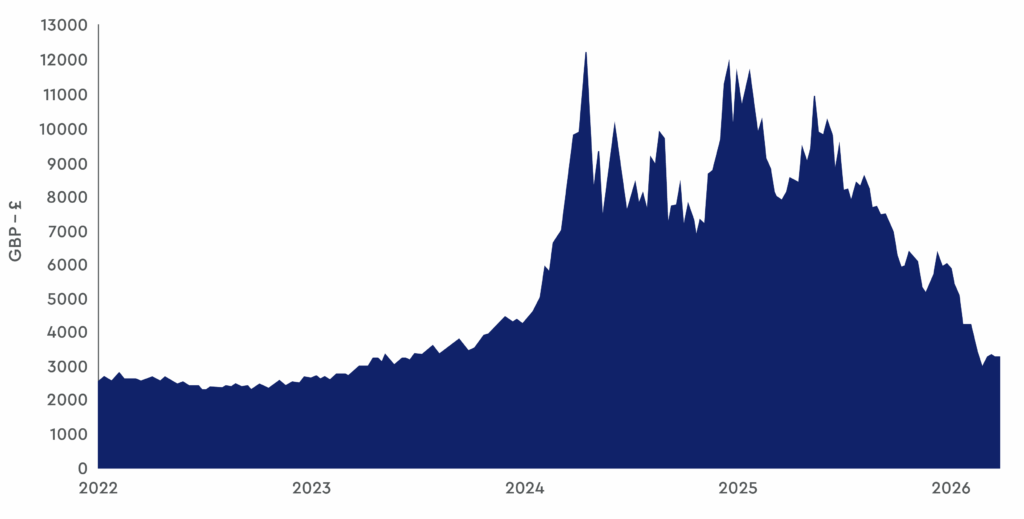
However, the drop in prices doesn’t necessarily signal long-term stability. Demand for cocoa and chocolate has reduced as manufacturers and consumers continue to respond to the cost pressures of the past two years. Higher retail prices led many brands to reduce pack sizes, reformulate products, or limit chocolate usage, lowering overall cocoa consumption. Industrial buyers have been more cautious with purchasing volumes as a result.
This trend is already visible in the market. In January, Barry Callebaut, the world’s largest bulk chocolate manufacturer, reported a 22% decline in cocoa division sales volume for the quarter ending November 30. The company attributed the drop to weaker market demand and a strategic focus on higher-margin products rather than overall volume.
The Future of Cocoa Supply
For bakery manufacturers, the easing of cocoa prices may provide short-term relief.
Some may take the opportunity to:
- Rebuild inventories
- Reintroduce chocolate-rich products that were reduced or reformulated during the peak pricing period
But cocoa remains a highly unpredictable ingredient, influenced not just by the market, but also by much longer-standing challenges in the supply chain. Farmers in major producing regions often face low and unstable incomes, and higher commodity prices don’t always improve conditions on the ground. Climate pressures, crop diseases, and ageing plantations continue to put long-term supply at risk.
How is the Cocoa Industry Future-Proofing?
The good news is that the industry is taking meaningful steps to address these challenges and support more sustainable, resilient cocoa production. Initiatives such as the Cocoa & Forests Initiative (CFI), alongside programmes led by major manufacturers, are helping to safeguard the future of both farmers and the wider supply chain. Progress, however, is gradual, and many targets are still in development. Further details can be found in their latest published reports.
At the same time, scientists and start-ups have been exploring alternatives such as lab-grown cocoa. Major chocolate manufacturers, including Barry Callebaut, have positioned cocoa cell culture as a way to diversify sourcing and strengthen supply chain resilience, while still supporting traditional farming communities. That said, this technology is still some distance from viable commercial-scale production. Its cost competitiveness remains uncertain, and consumer acceptance is yet to be fully understood.Overall, these efforts highlight that while the cocoa supply chain remains complex and volatile, positive progress is underway. Even so, market unpredictability is likely to persist, making it important to future-proof recipes.
The Solution:
Using ingredients like ZEUS™ C120 Baking Powder can reduce reliance on cocoa as the market shifts and consumer demand fluctuates, helping manufacturers maintain product quality while protecting against price spikes or supply disruptions. By thinking ahead and planning formulations carefully, bakeries can safeguard margins, ensure consistency, and stay ahead, no matter what the cocoa market does next.
In short, the current price drop offers some breathing room, but cocoa will continue to be one of the most important and unpredictable ingredients for bakery and chocolate products. Manufacturers who combine smart sourcing, responsible ingredient use, and proactive recipe strategies will be best positioned to succeed today and in years to come.